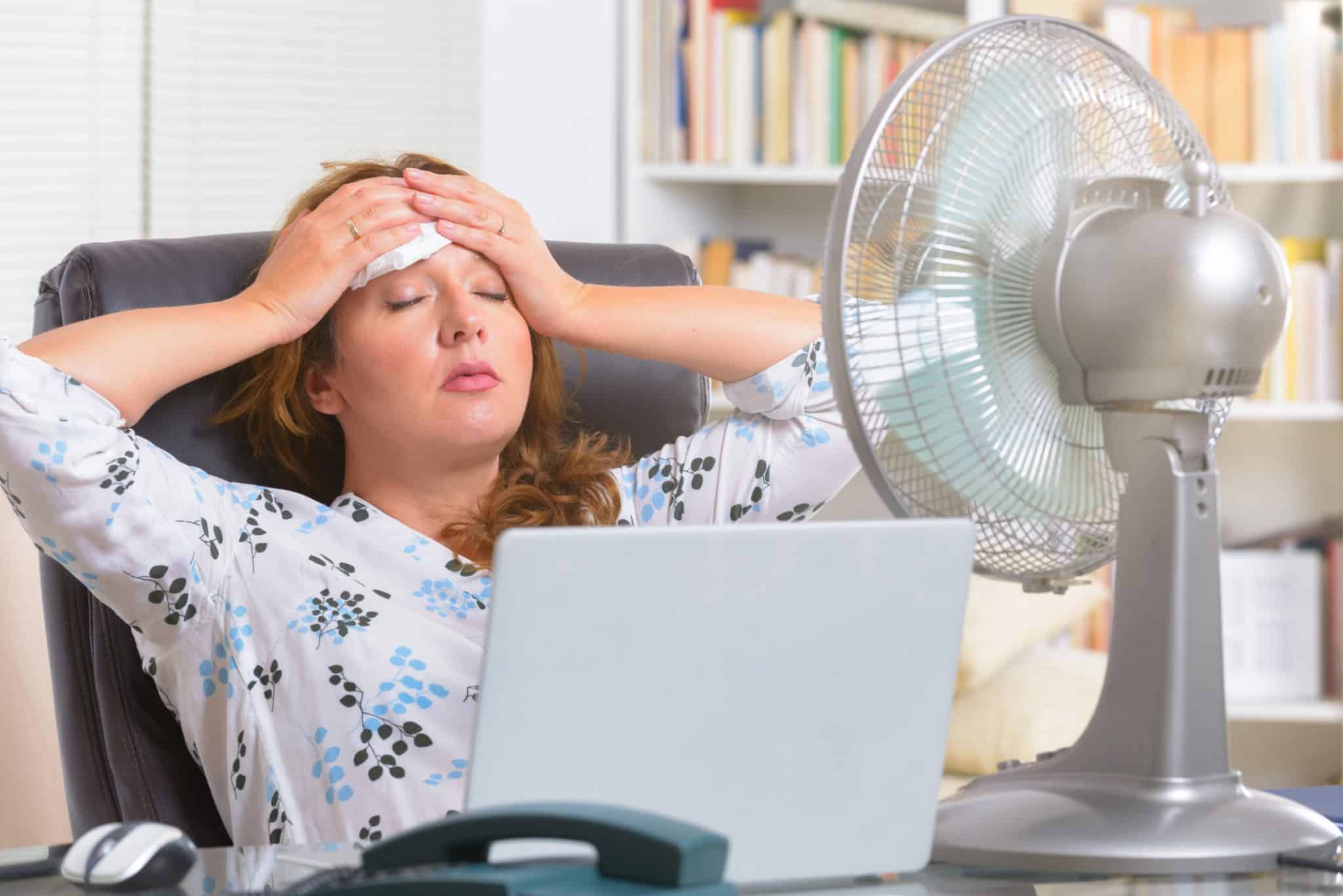
Not every AC problem is an emergency. But some absolutely are, and in a Tennessee summer, waiting 24 hours to find out which one you’re dealing with is a gamble you don’t want to lose. Emergency AC service in Franklin, TN exists for a reason, and knowing when to make that call can be the difference between a minor inconvenience and a genuine health crisis.
Indoor heat is more dangerous than most people realize. In fact, according to the National Weather Service, extreme heat causes more U.S. deaths every year than hurricanes and tornadoes combined. Here’s how to know if your situation qualifies as an emergency, and exactly what to do about it.
Don’t Sweat the Details: Quick Hits
- Indoor temperatures above 90°F can become dangerous within hours, especially for children, elderly adults, and pets.
- Five specific signs mean you need emergency AC repair right now — not tomorrow, not next week.
- A few immediate steps can buy you time and protect your household while help is on the way.
- Not sure if it qualifies? When in doubt, call — a good HVAC company will tell you straight.
What Temperature Inside a House Is Actually Dangerous?
Before we get into the signs, let’s talk about what’s actually at stake. According to the National Weather Service, heat-related illness can set in quickly when indoor temperatures climb above 90°F — especially for older adults, young children, and anyone with a chronic health condition.
At 95°F indoors, heat exhaustion becomes a real risk within a few hours.
At 100°F+, you’re looking at potential heat stroke territory. Tennessee summers routinely push outdoor temps into the mid to upper 90s, which means an unventilated home without AC can reach dangerous temperatures surprisingly fast. This is not a “wait and see” situation.
5 Signs You Need Emergency AC Repair Right Now
Some AC problems can wait for a regular service appointment. These cannot. If your system is showing any of the following signs during a Middle Tennessee heat wave, pick up the phone — every hour you wait is an hour your home gets hotter and the risk to your household goes up.
Sign #1: Your AC Is Running But Not Cooling the House
This is the one that sneaks up on people. The system sounds like it’s working. The fan is blowing. But the house is getting warmer by the hour. That is an emergency signal, not a minor hiccup.
A system that runs without cooling usually points to a refrigerant leak, a failed compressor, or a frozen evaporator coil. None of these resolves on its own. If your thermostat reads 85°F inside and rising, call for emergency AC repair — don’t wait for a scheduled appointment.
Sign #2: Your AC Stopped Working Completely
Total system failure during a heat wave is about as clear an emergency as it gets. No airflow, no cooling, nothing. Before you call, run through this quick checklist:
- Check the thermostat — is it set to COOL and set below the current room temp?
- Check the circuit breaker — has the AC breaker tripped?
- Check the air filter — a severely clogged filter can cause a system shutdown
If none of those are the issue, do not keep resetting the breaker repeatedly. A system that keeps tripping the breaker has an electrical problem that needs a professional, not a workaround.
Contact C&M’s emergency HVAC team and get someone out the same day.
Sign #3: Your AC Is Making Sounds It Has Never Made Before
Squealing, grinding, banging, or clanking are not normal AC sounds. They are your system telling you something has gone mechanically wrong, and operating it in that condition can turn a repairable problem into a full replacement situation.
A grinding or banging noise often means a motor bearing failure or a loose component making contact with moving parts. Shut the system off and call for service. Running a mechanically compromised unit to “see if it keeps going” is how a $400 repair becomes a $2,500 compressor replacement.
Check out our post on AC repair vs. replacement if you’re already wondering which route to take.
Sign #4: You See Ice, Water, or Refrigerant Leaks
Ice on your AC in July sounds almost like a joke, but it is a serious problem. A frozen evaporator coil means restricted airflow or low refrigerant, and a system running frozen is a system that will fail completely if left alone.
Water pooling around your indoor unit can also signal a clogged condensate drain line, which can cause water damage to floors, walls, and ceilings if ignored.
Refrigerant leaks are a health concern as well as a mechanical one. If you notice an oily residue around refrigerant lines or a sweet chemical smell near the unit, shut the system down and call immediately.
Pro Tip: If you spot ice on your unit, turn the AC off but leave the fan running on AUTO. This helps the ice melt without flooding your drain pan. Then call for service.
Sign #5: Someone in the House Is Showing Signs of Heat Illness
This one overrides everything else on this list. If anyone in your home, especially a child, elderly person, or someone with a medical condition, is showing signs of heat exhaustion or heat stroke, that is a medical emergency first and an HVAC emergency second.
Signs of heat exhaustion per the CDC include heavy sweating, cold or clammy skin, a fast or weak pulse, nausea, and dizziness. Heat stroke symptoms include a body temperature above 103°F, hot and dry skin, rapid pulse, and confusion.
Call 911 first, then get your household to a cooler environment, like a neighbor’s home, a car with AC running, or a public cooling center.
What to Do While Waiting for Emergency AC Repair
Help is on the way. Here’s how to protect your household in the meantime:
- Close blinds and curtains on sun-facing windows to block radiant heat
- Move to the lowest level of the home — heat rises, so lower floors stay cooler longer
- Run ceiling fans counterclockwise to create a cooling effect
- Stay hydrated and avoid strenuous activity
- Place ice in front of a box fan for a makeshift cooling boost
- Check on vulnerable household members frequently — elderly adults and young children overheat faster
- Identify your nearest public cooling center — libraries, malls, and community centers often serve this purpose during heat events
When It Doubt, It’s an Emergency
If your AC has failed or is failing during a Tennessee heat wave, the right move is to call — not wait, not Google more, not reset the breaker one more time. Our team at C&M Heating and Cooling has been keeping Middle Tennessee homes safe and cool since 1976, and we know how quickly a hot house can become dangerous.
We serve homeowners across Franklin, Brentwood, Nashville, and Spring Hill — and we take emergency calls seriously.
Need Emergency AC Service in Middle Tennessee? Call Now.
A failed AC in a Tennessee summer is not something to wait out. Whether your system quit completely, is blowing warm air, or is making noises that have you worried, our team is ready to help. Do not tough it out — get a professional on site fast.
Call C&M at (615) 790-1362 for emergency AC repair in Franklin, TN, and surrounding areas, or contact us online and we’ll get back to you fast.